
No Quiz Required: How Talking About Books Builds Powerful Readers
Chinwe O
6/10/20264 min read
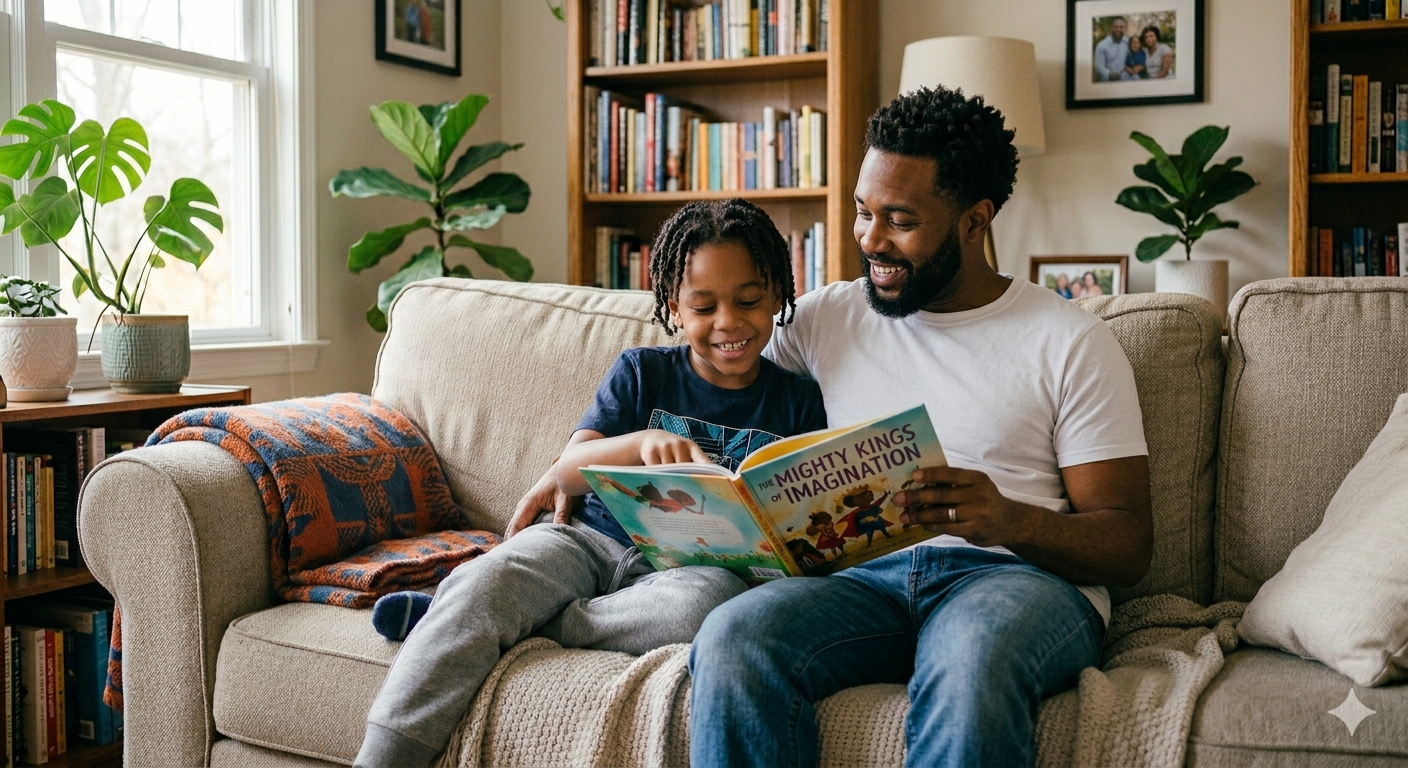
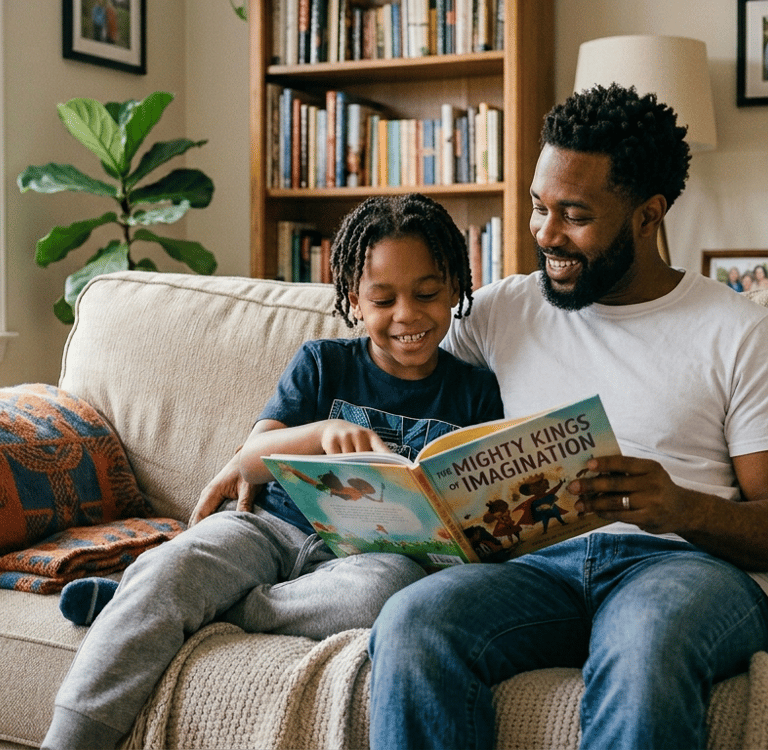
You don't need a worksheet. You don't need a reading log. And you definitely don't need to turn story time into a pop quiz. Some of the most powerful reading instruction happens in the most ordinary moments — curled up on the couch, riding in the car, or winding down before bed. All it takes is a good book and a little conversation.
As a reading specialist, I want to let you in on something: when you talk naturally about books with your child, you are building comprehension, developing story language, and growing a reader. And the best part? It doesn't feel like school. It feels like connection.
Here's a simple framework to guide your book conversations — before, during, and after reading.
Before You Read
For younger children (ages 3–7): Start with the cover. Look at it together and take a moment to say the author's name and the illustrator's name. Casually mention that the author writes the words and the illustrator draws the pictures — this builds important print awareness without making it a lesson. Then ask two simple questions: "What do you notice about the cover?" and "What do you think this book is going to be about?" Keep it short, keep it light, and then get on with the reading. This is a warm-up, not a lecture.
For grades 3–5: Most of the time, let your child choose their own book. When they do, ask them why they chose it and what they think it might be about. Occasionally select a book for them to gently expose them to different genres they might not choose on their own. Both conversations build prediction skills and activate thinking before the first page is even turned.
A note on audiobooks: All of these before-reading conversations work beautifully with audiobooks too. Audiobooks promote listening comprehension, visualization skills, and natural intonation — and they're perfect for car rides or time spent preparing a meal. Most libraries offer free audiobook access online, so this is an easy, no-cost option for busy families.
During Reading
The goal during reading is simple: keep the story flowing. This is not a test, and you don't want your child dreading the next question every time you turn a page. Limit yourself to one or two questions during the entire reading — that's it.
For younger children (ages 3–7): Try questions like:
"What do you think will happen next?"
"How do you think the character is feeling right now?"
"Is this story real or make-believe?"
For any of these questions, follow up with a simple "What did you see in the story that makes you think that?" This gently introduces the habit of using the story as evidence — one of the most important reading skills your child will ever develop. Start it early, keep it conversational, and watch it grow.
If your child doesn't provide evidence or offers something unrelated, simply model it and move on. Point to the relevant part of the page and say something like "I think this is going to happen next because..." then show them exactly where you found that evidence in the story. No correction, no pressure — just a natural demonstration. Then keep reading and enjoy the story.
For non-fiction books, ask about one or two important details instead. Keep it conversational and curious — you're thinking alongside your child, not testing them.
For grades 3–5: The same types of questions apply, with one powerful addition. If you ask "What do you think will happen next?" follow it up with "What happened in the story that makes you think that?" That follow-up question — asking your child to use evidence from the text — is the heart of reading comprehension. And those two questions together count as your limit, so you're done. Put the quiz away and enjoy the story.
After Reading
After reading, choose one of three activities — reflect, retell, or extend. Not all three. Not two. Just one, and let the book guide you toward which one fits best.
Reflect — "What was your favorite part? How did the ending make you feel?"
Retell — "Can you tell me what happened in the story in your own words?"
Extend — "This story reminds me of... Does it remind you of anything?" or "What would you do if you were the character?"
If you focus on retelling this time, try reflecting or extending next time. Children often want to reread books they love — and that's a wonderful thing. Each reread gives you a fresh opportunity to try a different after-reading activity or ask a different question you didn't get to the first time.
This approach works across all ages and adapts naturally to audiobooks as well.
And Sometimes — Just Read
This may be the most important thing I'll say in this entire post: sometimes, reading should have no questions at all.
Let your child experience the pure joy of a story without waiting for the next prompt. Read together, laugh together, feel the feelings together. When children associate reading with joy and connection — not performance and pressure — they become readers for life.
That is the goal. Always.
A Note on Informal Assessment Here's a little secret: every one of these conversations is actually an informal assessment. When your child predicts, retells, reflects, or connects, you are learning exactly where they are as a reader — without a single worksheet. You don't need a quiz to know your child. You just need a conversation.
At Bonya Books, we believe reading is thinking — and the best thinking happens when children feel safe, seen, and celebrated. 🌳
Contact
grow@bonyabooks.com
678-383-0502
© 2026. All rights reserved.


Rooted at home. Ready for the world.